On Death and Dyeing in SoCal
 Students are introduced to the practice of "Ekphrasis" to practice "reading" an image/photograph.
On Death and Dyeing in SoCal
💡 Concept
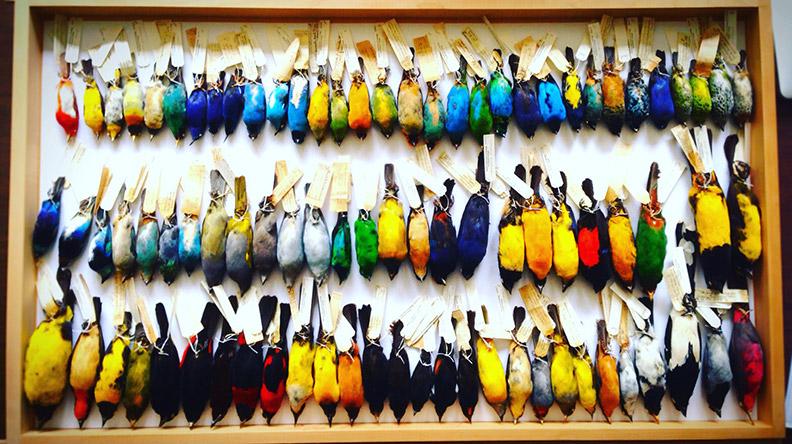
There are few things more obviously dead than a tray of birds at Occidental College's Moore Laboratory of Zoology. Pressed in tightly on their backs, each with a tag tied to its foot, they stare blankly with white cotton stuffing in place of eyes. Flesh and bones have been removed, and what is left is called a skin.
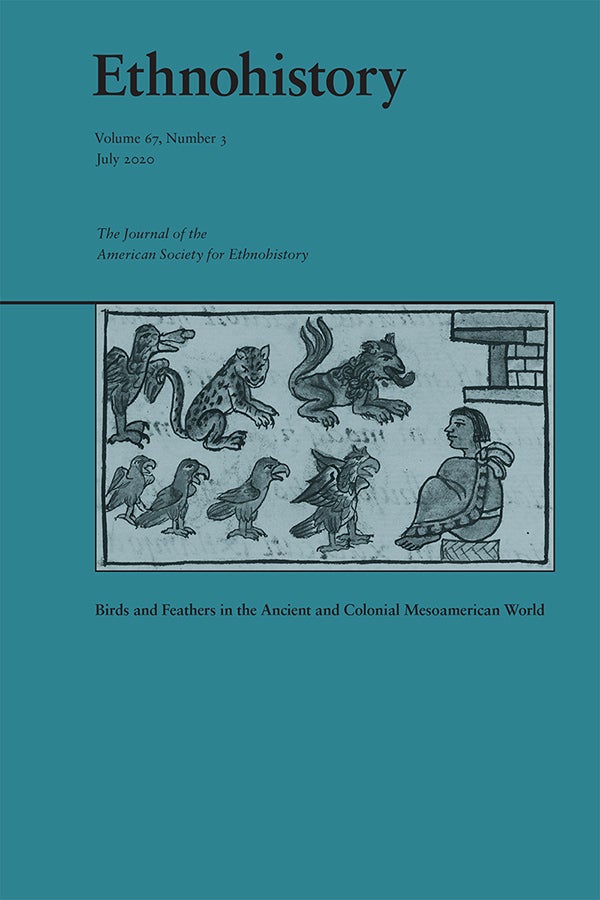
Along with the Getty Research Institute, Occidental College has served as an intellectual and geographic nodal point in scholarship on the Florentine Codex, most notably in the July, 2020 issue of Ethnohistory. Like the Florentine Codex itself centuries before, it is the product of a multi-talented team of collaborators during a raging epidemic. Volume 67, Number 5 contains series of articles that connect Los Angeles regional scholars and scientists around overlapping expertise in dead birds and their significance in Nahua society, culture, and history. You have been assigned to read one, "The Living Feather: Tonalli in Nahua Featherwork Production," by Allison Caplan, Assistant Professor of the History of Art at Yale University, and previously at U.C. Santa Barbara, History of Art & Architecture. In it, Caplan describes the Nahua concept of "tonalli," which is a marker of vitality that distinguishes living things from inanimate organic substances, as a quality related to the play of sunlight on some surfaces, even that of some dead birds:
"As understood by Nahuas, tonalli was an animating force diffused by the sun’s rays, which adhered in humans, animals, plants, and particular, highly valued materials and objects of adornment and consumption. Derived from the verb tona, to shine or give off heat, tonalli literally means, “that which has been shined,” and shares the same root as the term for the sun and solar god, tonatiuh."

🖥️ Activity
This lab activity will supplement your reading by drawing you more directly into some of the regional knowledge that informed Caplan's writing on Tonalli. First, you will view a few examples of birds from the Moore Lab of Zoology collections at Occidental College. Curator John McCormack, student Josh Medina, and Professor Lisa Sousa and others at Occidental collaborated with Caplan on the Ethnohistory issue, and/or the Digital Florentine Codex project, contributing materials and expertise about birds and feathers. Second, you will read and search within the Digital Florentine Codex following Caplan's lead with featherwork and "tonalli."
📍 Location
Retracing the path of collaboration during the heady ferment leading to the publication of Ethnohistory 67(5) and launch of the Digital Florentine Codex might take you a few hours by car, depending upon traffic. But compare it to the extensive routes of trade and tribute that brought glimmering bird bits to Tenochtitlan!
👓 Examples
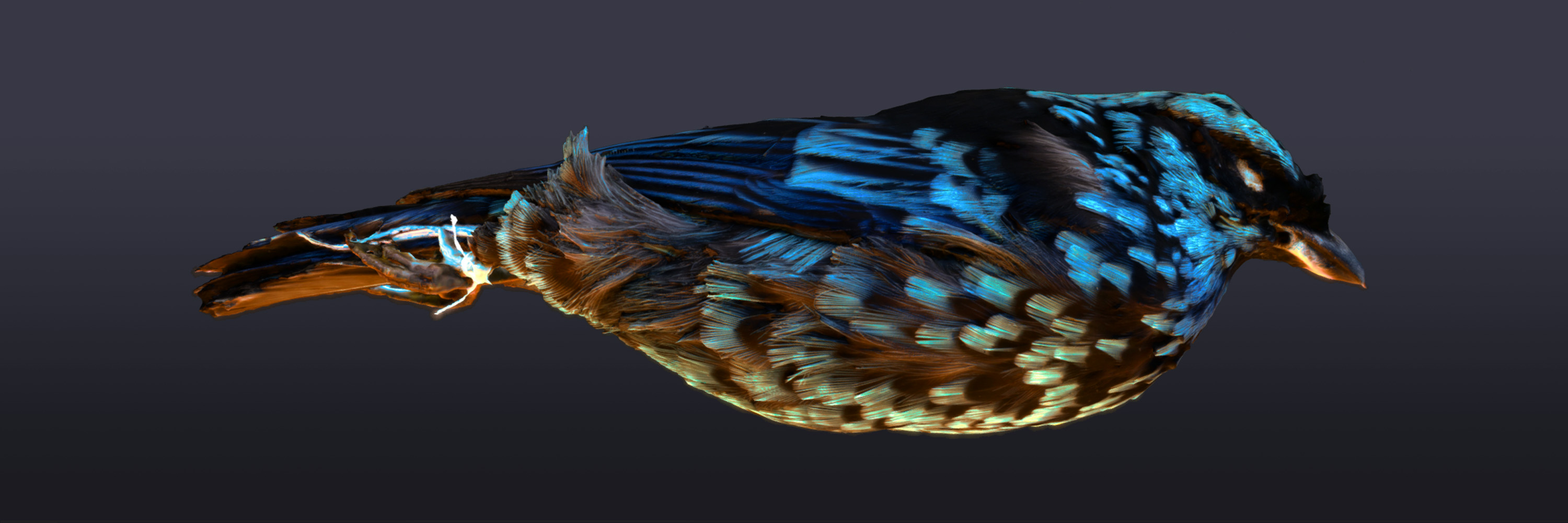
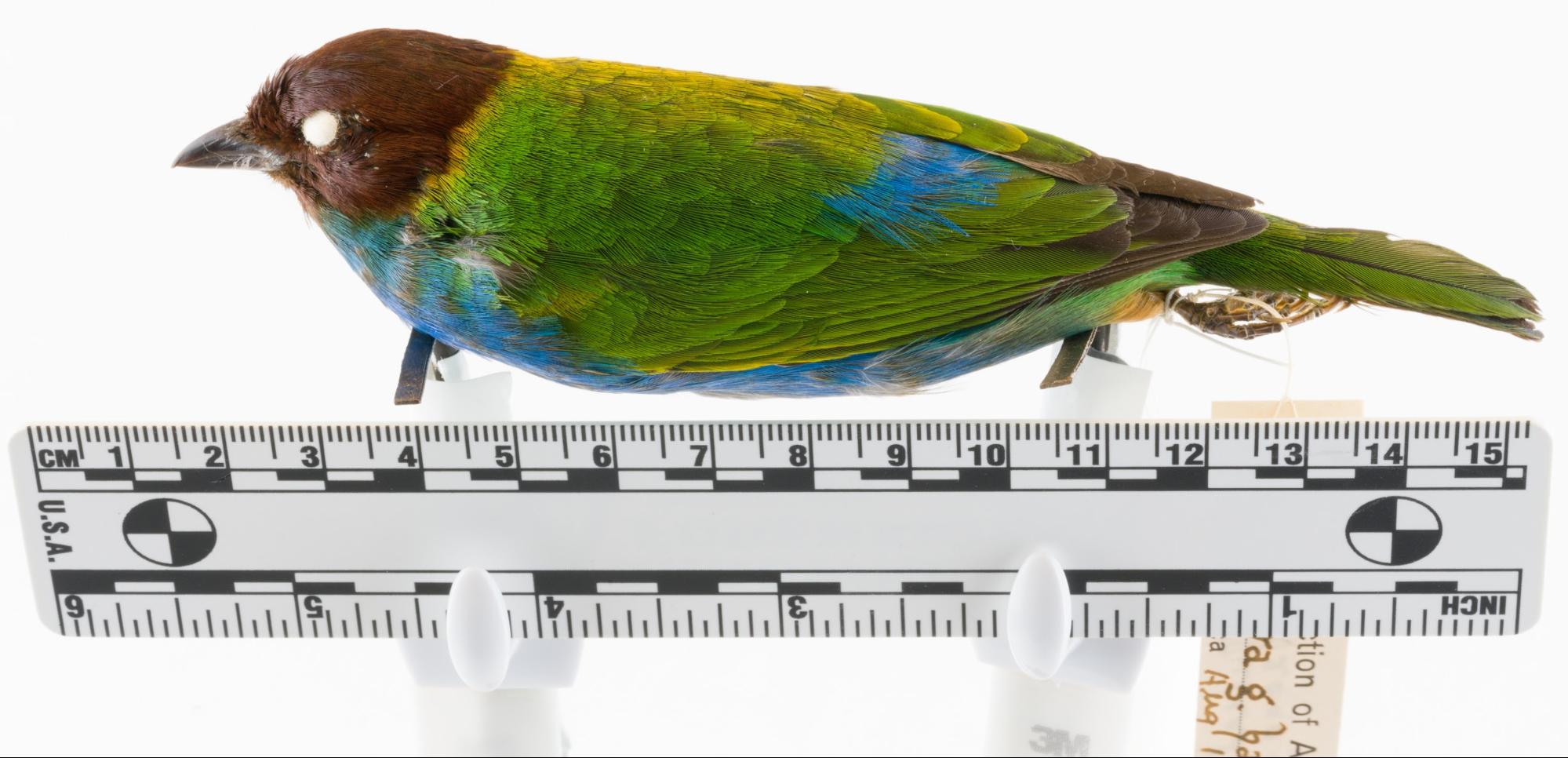
Oxy '19 undergraduate Josh Medina worked with the Moore Lab to develop methods for 3D scanning Mexican and Central American bird specimens, using photogrammetry, a process using high-resolution photographs. He established a pipeline for collections specimens to be posted and viewable in 3D on Sketchfab. Below are two examples that exhibit the quality of "tonalli." In his scanning efforts, Medina underscored the technical challenge in photogrammetry of rendering iridescence, a shimmering color effect characteristic of hummingbirds and some other birds that is achieved not through pigmentation, but selective refraction and reflection of certain color spectra in light.